So what harm can a pedicure really do? What are the pesky culprits behind
the danger of a pedicure? One Word: Dermatophytes.
Dermatophytes are the main fungus responsible for nail infections, and is also the same fungus which causes athletes foot. While most cases are caused by this fungus the actual 'type' of infection can vary with severity and symptoms. For details on each type visit here.
The most commonly seen fungal infection is called Distal Subungual Onychomycosis (DSO). In this case the infection starts at the end of the nail bed, and part of the nail often
turns yellow or white, and may thicken. Pieces of skin and nail fragments build up under the
nail. As the condition gets worse, the nail may crumble and split, and it may
separate from the skin. This condition can progress at a
fast pace if not diagnosed and treated promptly.
How can a pedicure cause you an infection?
It’s not just
about the salon; it’s also about the condition of your feet. You do need to be
certain your salon sanitizes properly, but their uncleanliness isn’t all to
blame. Bacteria and fungus live everywhere, and sometimes even fight through
the harshest chemicals. Due to this you need to be proactive. Don’t get a
pedicure if you have any cuts, scrapes, scabs, sore spots, inflammation, etc.
on your feet or legs (within pedicure territory). The living bacteria and
fungus are given a gateway to infection through these areas. If your immune
system isn’t strong enough or the strand is particularly stubborn you will end
up fighting a long road of infection. For extra tips on a safe pedicure visit our previous blog post: Keeping Your Toes Pretty for Spring.
At Carolina Foot Specialists we offer many treatment options including topical antifungal treatment,
oral antifungal treatment, nail avulsion, and laser treatment of the toenails. The
majority of cases, if caught early enough, can be treated with nail trimming and
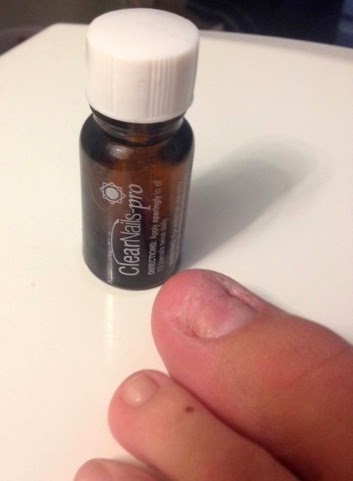
topical antifungal medication- we recommend a product called ClearNails-pro, available at our office.
Are you seeing signs of a fungal infection? Call us today!
Charleston Office*843-225-5575 Mount Pleasant Office*843-654-8250