Being barefoot when practicing yoga is not only good etiquette to the practice, but also better for your body. Much like with running being barefoot during yoga allows your body to engage in it’s natural stance. However there are precautions...
As with other types of exercise done indoors in groups, yoga has the potential to create a germ-filled environment. Yoga mats can contract and contain infections from toenail fungus to the common cold. To be safe we suggest you always use your own yoga mat, and clean it properly after each use (whether you felt sweaty or not). Don't go barefoot if you have open sores on your feet, and wash your feet after class to avoid any contamination.
If you are prone to picking up fungus, viruses or bacteria we also suggest looking into Yoga socks. They come in a variety of types and colors and actually enhance performance with no-slip grips.
The Lowcountry's Heel Pain Specialists, Dr. Andrew Saffer & Dr. Adam Brown are putting your feet first. Our doctors have a 95% cure rate for acute and plantar fasciitis with aggressive conservative treatment. If surgery is required it is minimally invasive with a quick recovery time. Our heel pain specialists utilize state of the art minimally invasive options such as Shockwave (EPAT) and Topaz. Refer to our frequent blogs on various treatment options for acute and chronic heel pain.
Showing posts with label Toenail Fungus. Show all posts
Wednesday, December 17, 2014
Wednesday, July 9, 2014
Are Pedicures Really to Blame?
So what harm can a pedicure really do? What are the pesky culprits behind
the danger of a pedicure? One Word: Dermatophytes.
Dermatophytes are the main fungus responsible for nail infections, and is also the same fungus which causes athletes foot. While most cases are caused by this fungus the actual 'type' of infection can vary with severity and symptoms. For details on each type visit here.
The most commonly seen fungal infection is called Distal Subungual Onychomycosis (DSO). In this case the infection starts at the end of the nail bed, and part of the nail often
turns yellow or white, and may thicken. Pieces of skin and nail fragments build up under the
nail. As the condition gets worse, the nail may crumble and split, and it may
separate from the skin. This condition can progress at a
fast pace if not diagnosed and treated promptly.
How can a pedicure cause you an infection?
It’s not just
about the salon; it’s also about the condition of your feet. You do need to be
certain your salon sanitizes properly, but their uncleanliness isn’t all to
blame. Bacteria and fungus live everywhere, and sometimes even fight through
the harshest chemicals. Due to this you need to be proactive. Don’t get a
pedicure if you have any cuts, scrapes, scabs, sore spots, inflammation, etc.
on your feet or legs (within pedicure territory). The living bacteria and
fungus are given a gateway to infection through these areas. If your immune
system isn’t strong enough or the strand is particularly stubborn you will end
up fighting a long road of infection. For extra tips on a safe pedicure visit our previous blog post: Keeping Your Toes Pretty for Spring.
At Carolina Foot Specialists we offer many treatment options including topical antifungal treatment,
oral antifungal treatment, nail avulsion, and laser treatment of the toenails. The
majority of cases, if caught early enough, can be treated with nail trimming and
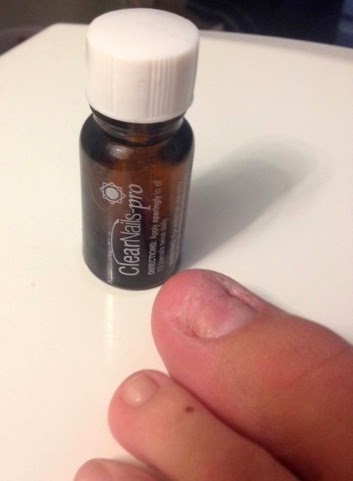
topical antifungal medication- we recommend a product called ClearNails-pro, available at our office.
Are you seeing signs of a fungal infection? Call us today!
Charleston Office*843-225-5575 Mount Pleasant Office*843-654-8250
Wednesday, June 11, 2014
Pools: a Podiatrist's Nightmare
Like us, we are sure many of you are already enjoying pool days
or perhaps an outing or two to Whirlin’ Waters. As much as we love water days
in Charleston these activities can result in unwanted foot problems such as
warts, nail fungus, athlete’s foot and more.
The most common cause for these issues are the bacteria
infested, damp areas surrounding public swimming areas, locker rooms and
showers. In the instance of public pools hundreds of people trample through
this bacteria thriving environment unintentionally spreading fungus and giving
it an ample place to grow...and in result, others pick up these conditions. We suggest wearing
water shoes to avoid most problems and making sure to clean and dry feet well
after exposure to these areas.
If you are concerned about any of the following please see
our office for the most effective treatments. Recent studies show increased evidence of how easily conditions can spread among family members as well as to public.
- Discolored Toenails (resulting from Onychomycosis)
- Thickened or Flaking Nails
- Symptoms of Athlete’s Foot (itching, scaling,
inflammation)
- Newly formed warts
Wednesday, April 23, 2014
Fighting the Fungus
Fungal infections can be tricky and sometimes hard to
notice. Fungus can affect the toenail for years before causing any trouble or
showing any signs. If you’ve noticed changes in the formation or color of your
nail, whether quickly or over time, you may be suffering from a toenail fungus.
Although some over the counter treatments and routine
cleaning can suppress or temporarily treat the issue, seeking help early is the
best method to prevent spreading or a more severe infection.
The best tip for avoiding fungal issues it to keep your feet
clean and DRY! This is especially important during our hot Charleston Summers.
Leaving feet wet and/or dirty may not only cause toenail fungus but other fungal conditions such as athletes foot.
For more information on Fungal Conditions visit our Website.
Subscribe to:
Posts (Atom)